
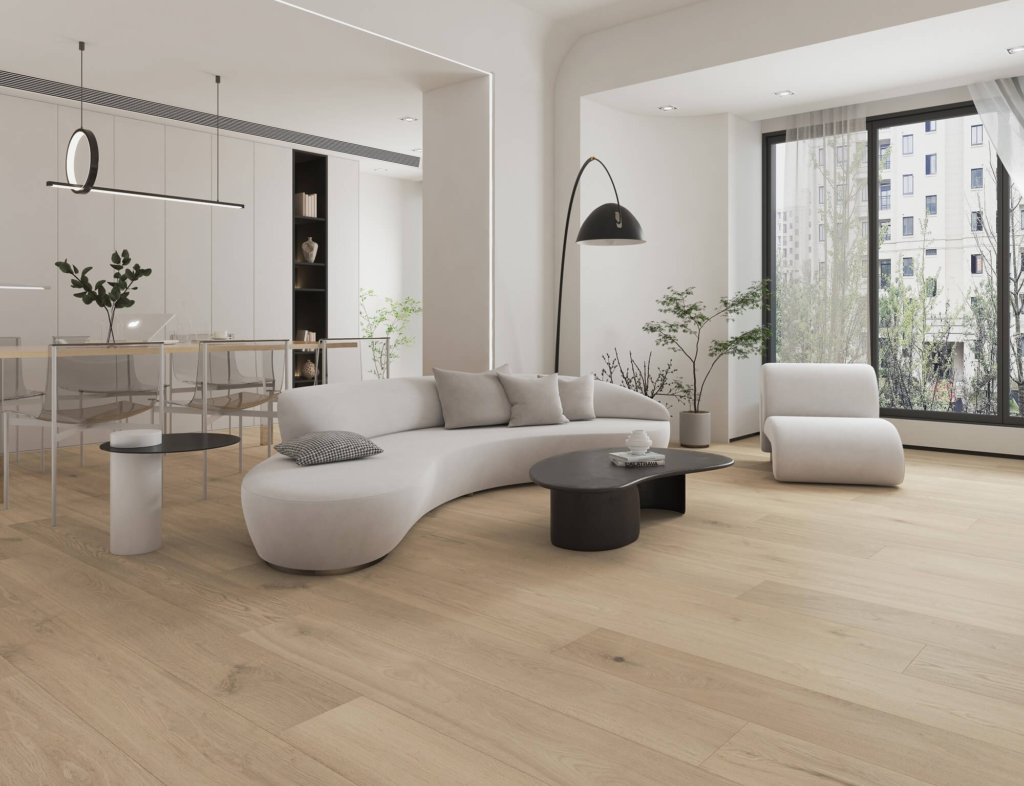
One of the most important decisions when renovating or building is selecting the right flooring for my home. The floor you choose affects how a space looks, how it feels underfoot, how it handles daily wear, and how much maintenance it requires over time. With so many products available today, from solid timber to hybrid planks, the process of understanding how to choose flooring for home can feel overwhelming. This guide breaks down the key factors, flooring types, and practical considerations to help you make a confident, informed decision.
Before diving into specific materials, it’s important to think about how each room in your home is used. High-traffic areas like living rooms, hallways, and kitchens require durable flooring that can withstand constant use, while bedrooms may prioritise comfort and warmth. If you have pets or children, scratch resistance and easy cleaning become key factors. Similarly, moisture-prone areas such as bathrooms, laundries, and basements need flooring that can handle humidity and occasional spills without damage.
Lifestyle plays a major role in your flooring choice. If you prefer a low-maintenance option, materials like hybrid or laminate flooring are often easier to clean and more resistant to stains. On the other hand, if you value natural beauty and long-term investment, hardwood flooring offers timeless appeal and can be refinished over time. Budget is another critical consideration not just the upfront cost, but also installation expenses and long-term maintenance.
Why Flooring Is One of the Most Important Renovation Decisions
Flooring covers every square metre of your living space, meaning it influences the aesthetics, comfort, acoustics, and resale value of your property. Unlike paint colours or light fittings, flooring is not something you swap out every few years. A quality floor installed correctly can last decades, while a poor choice can lead to costly replacements well before its time. When planning flooring for renovations, it is worth investing proper time and research into the decision rather than choosing based on price alone.
Beyond appearance, flooring needs to suit the practical demands of your household. A family with young children and pets has very different requirements from a retiree living alone or a professional couple in an apartment. Climate, subfloor conditions, and whether the space is indoor or semi-outdoor all play a role in determining the best option.
Understanding Your Home Flooring Options
A solid flooring types of comparison starts with understanding what is available on the market. Below is an overview of the most common categories and what each one offers.
1. Solid Timber Flooring
Solid timber flooring is cut from a single piece of hardwood and is one of the most traditional and desirable flooring choices. Many homeowners work with timber floor suppliers to source locally suited species that perform well in the local climate. Solid timber adds warmth, character, and long-term value to a property and can be sanded and refinished multiple times over its lifespan.
Homeowners looking for timber floors Gold Coast properties often favour solid hardwoods for their durability and visual appeal. The natural grain variations mean no two floors look identical, which adds a unique quality to the space.
One consideration with solid timber is moisture sensitivity. It can expand and contract with humidity changes, making it less suitable for below-grade installations or rooms with high moisture levels such as bathrooms and laundries.
2. Engineered Timber Flooring
Engineered timber consists of a real timber veneer bonded to a stable plywood base. This construction makes it more dimensionally stable than solid timber, meaning it handles humidity fluctuations better. It is a popular choice for wooden floors Gold Coast homes where the coastal humidity can otherwise cause issues with solid boards.
Engineered floors can often be floated, glued, or nailed down, giving you flexibility with installation. While they cannot be sanded as many times as solid timber, high-quality engineered boards with a thick veneer layer still offer excellent longevity.
3. Hybrid Flooring
When comparing hybrid vs timber floors, hybrid flooring sits in a unique position. It is constructed from a rigid core, usually stone polymer composite or wood polymer composite, with a photographic timber-look layer and a protective wear coating. Hybrid floors are fully waterproof, highly scratch-resistant, and dimensionally stable, making them suitable for any room in the house including bathrooms and laundries.
The hybrid vs timber floors debate often comes down to budget, lifestyle, and authenticity. Hybrid is generally more affordable and easier to maintain, while real timber offers a tactile quality and long-term refinishing potential that hybrid cannot replicate.
4. Laminate Flooring
Laminate flooring uses a high-density fibreboard core with a photographic top layer and a protective wear coat. It is one of the more affordable options and is suitable for low-to-medium traffic areas. However, laminate is not waterproof and does not handle moisture as well as hybrid or tile options. It also cannot be sanded or refinished, meaning its lifespan is fixed from the point of installation.
5. Tiles and Stone
Porcelain and ceramic tiles remain a popular choice for wet areas such as kitchens, bathrooms, and laundries. Natural stone such as travertine and slate adds a premium aesthetic but requires sealing and more careful maintenance. Tiles are cool underfoot, which can be comfortable in warmer climates but less inviting in colder months without underfloor heating.
Key Factors to Consider When Choosing Flooring for My Home
Understanding how to choose flooring for home requires looking beyond visual appeal. Here are the practical factors that should shape your decision.
Room Function and Foot Traffic
Different rooms have different demands. High-traffic areas such as hallways and living rooms need harder, more scratch-resistant surfaces. Bedrooms can accommodate softer, warmer materials. Wet areas like bathrooms and laundries require fully waterproof solutions. Consider how each room is used before settling on a material.
Subfloor Conditions
Not all flooring types work over all subfloors. Solid timber typically requires a timber subfloor, while hybrid and laminate can be floated over concrete. If your subfloor is uneven or has moisture issues, these need to be addressed before installation regardless of which product you choose.
Climate and Location
Climate matters. In coastal or humid regions, moisture-stable products such as hybrid or engineered timber perform more reliably than solid timber alone. Those searching for wooden floors Gold Coast homes often find engineered or hybrid options suit the local humidity better. Similarly, homes in very cold climates may benefit from underfloor heating compatibility, which not all flooring types of support.
Lifestyle and Household Needs
Households with pets and children often prioritise scratch resistance and easy cleaning. Hybrid flooring performs particularly well in these environments due to its durable wear layer and waterproof core. Households without these demands may prefer the natural feel of solid or engineered timber.
Budget
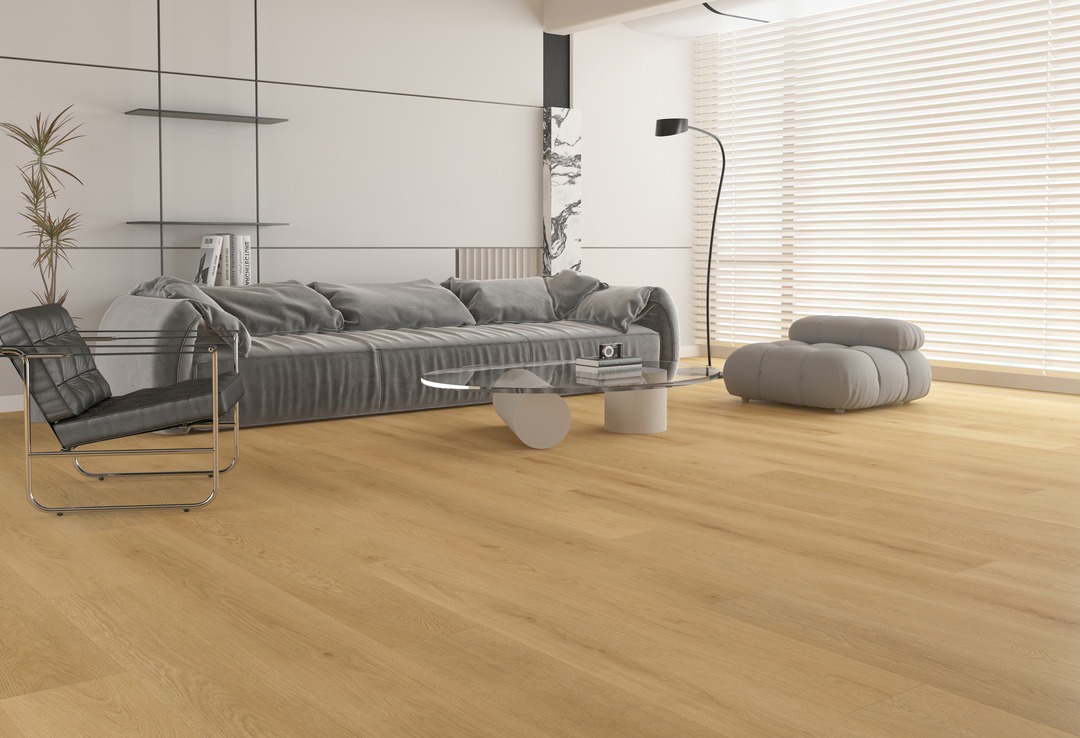
Budget influences both the product and the installation method. While it can be tempting to choose the cheapest option upfront, consider the total cost over the floor’s lifespan including installation, maintenance, and potential replacement. A slightly higher upfront investment in quality flooring often reduces long-term costs significantly.
Choosing Flooring for Renovations: What to Plan Ahead
When selecting flooring for renovations, there are a few additional considerations that come into play compared to new builds. Existing subfloor heights may limit which products can be installed without adjusting door frames or transitions. Matching new flooring to existing flooring in adjoining rooms can also be challenging, particularly if the existing product is discontinued or no longer available.
It is advisable to work with experienced timber floor suppliers or flooring specialists who can assess your existing conditions and recommend the most compatible solution. Planning for transitions between flooring types, such as from timber to tile, ensures a finished result that looks considered and cohesive rather than pieced together.
For those undertaking commercial renovations or fit-outs, commercial wood flooring offers a durable and professional aesthetic that holds up well under heavy foot traffic while maintaining the warmth and visual appeal of a timber surface.
Practical Tips Before You Buy
Here are some steps to take before finalising your selection when working out how to choose flooring for home:
- Order samples and view them in your actual space under different lighting conditions, both natural and artificial.
- Check the acoustic rating of the product if you are installing in an apartment or multi-storey home, as many strata schemes have minimum underlay requirements.
- Confirm the warranty period and what it covers, particularly around wear, waterproofing, and installation standards.
- Ask your supplier about the recommended underlay, as this affects comfort, acoustics, and thermal performance.
- Factor in the cost of professional installation, as poorly installed flooring can void warranties and reduce the product’s lifespan.
- Consider the direction of the boards relative to natural light and the longest axis of the room, as this can make a space feel larger or smaller.
Reviewing Your Home Flooring Options Before You Decide
Before making a final decision on home flooring options, it helps to write down your priorities in order. If waterproofing is non-negotiable, hybrid or tile moves to the top. If the feel and character of real timber is most important, engineered or solid timber becomes the focus. If budget is the primary constraint, laminate or entry-level hybrid may be the right starting point.
There is no single correct answer when it comes to how to choose flooring for home. The right choice is the one that best matches your household’s needs, your space’s conditions, and your long-term expectations. Seeking advice from a qualified flooring specialist is always worthwhile, particularly if you are unsure about subfloor compatibility or product performance in your specific climate.
Exploring the full range of home flooring options available from reputable suppliers ensures you are deciding based on quality products rather than what happens to be on a display shelf. Take your time, ask questions, and do not rush a decision that will be underfoot for many years to come.
If you need expert guidance or personalised recommendations, feel free to get in touch with our team. We’re here to help you choose the right flooring solution based on your style, budget, and lifestyle needs. Contact us today to discuss your project or request a free consultation we’ll help you make a confident and informed decision for your home.
Frequently Asked Questions
Q1. What is the most durable flooring option for high-traffic areas?
Porcelain tiles and hybrid flooring are among the most durable choices. Hybrid offers waterproofing and scratch resistance, while tiles handle heavy use and moisture extremely well.
Q2. Is hybrid flooring better than timber for families with pets?
Hybrid is often preferred for pet households due to its waterproof core and scratch-resistant wear layer. Timber can be damaged by moisture from pet accidents over time.
Q3. Can I install timber flooring in a bathroom?
Solid timber is not recommended for bathrooms due to moisture. Engineered timber may work with proper sealing, but hybrid or tile is a safer and more practical choice overall.
Q4. How do I know which flooring suits my subfloor?
Consult a flooring professional to assess your subfloor type, levelness, and moisture content. These factors determine the correct installation method for your chosen product.
Q5. How much should I budget for flooring installation?
Costs vary by product and region. Budget for both the material and professional installation. Quality installation protects your investment and ensures the floor performs as expected.