
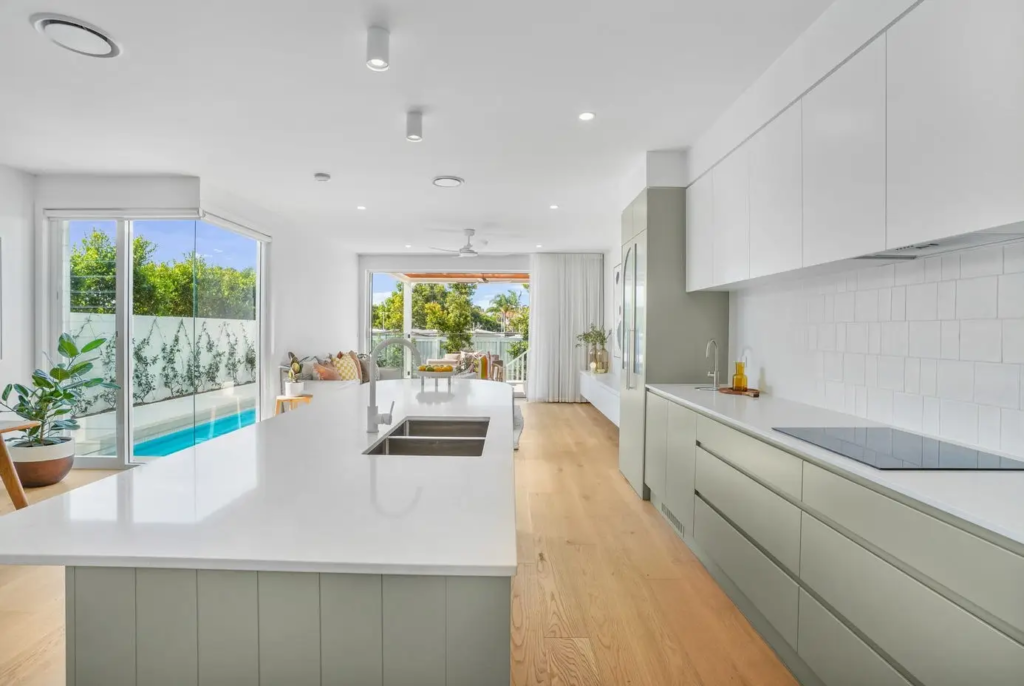
Choosing the right hardwood flooring for your home is a decision that goes well beyond picking a colour. The species you select affects durability, maintenance, how the floor responds to your local climate, and how it looks over decades of daily use. Among the most popular choices for Australian homeowners, Spotted Gum and Blackbutt consistently stand out. Both are native hardwoods with proven performance records, yet they differ in meaningful ways. This guide walks through those differences in detail so you can make an informed choice suited to your space, lifestyle, and budget.
One of the key differences between Spotted Gum and Blackbutt hardwood flooring lies in their appearance. Spotted gum is known for its rich, varied colour palette, ranging from light browns to deep chocolates with occasional hints of grey. Its natural variation creates a more dynamic and distinctive look, making it ideal for homeowners who want a feature floor with character. Blackbutt, on the other hand, offers a more consistent and subtle appearance, typically featuring pale cream to light brown tones. This makes it a popular choice for modern interiors where a clean, minimalist aesthetic is preferred, especially when selecting hardwood flooring for a contemporary space.
Durability is another important factor to consider. Both Spotted Gum and Blackbutt are classified as hardwoods and are highly durable, but Spotted Gum is slightly denser, which can make it more resistant to dents and wear in high-traffic areas. This makes it particularly suitable for busy households with children or pets. Blackbutt is still a strong and reliable option, offering excellent performance for most residential applications while being slightly easier to work with during installation.
What Makes Australian Hardwood Flooring a Popular Choice
Before comparing the two species, it helps to understand why hardwood flooring remains such a preferred option for residential and commercial spaces alike. Hardwood flooring offers a level of durability, character, and long-term value that engineered or composite products simply cannot replicate. Native australian hardwoods are particularly well regarded because they have evolved in demanding conditions, making them naturally tough and resistant to the stresses of everyday use.
Australian hardwood species are also sustainably sourced when purchased from reputable suppliers, meaning your flooring choice can align with environmentally responsible values. The warmth and texture of real timber add character to a space that matures and improves with age rather than degrading like synthetic alternatives. Both Spotted Gum and Blackbutt fall within the broader category of australian hard wood species that have been used in construction and flooring for well over a century.
Understanding Spotted Gum Timber Floor
Spotted Gum is one of the most recognisable and widely used hardwood species in Australia. It grows predominantly along the eastern coast and is harvested from both Queensland and New South Wales forests. The timber is known for its distinctive wavy or interlocked grain, which creates a naturally varied and visually dynamic appearance. No two spotted gum boards are identical, which gives floors laid with this species a unique, organic character.
Appearance and Colour
A Spotted Gum timber floor typically presents in a range of tones from light brown and cream through to deep chocolate and grey. The colour variation within a single installation can be quite broad, which suits homeowners who prefer a natural, less uniform aesthetic. Over time and with exposure to light, the tones tend to mellow and blend into a more cohesive palette. Spotted Gum will oxidize and darken as it ages.
The surface texture of Spotted Gum is tactile and pronounced. The interlocked grain catches light differently depending on the angle, giving the floor a subtle visual movement that flat-grained timbers cannot achieve.
Hardness and Durability
Spotted Gum is one of the harder native species available for residential flooring. It has a Janka hardness rating of around 11 kilonewtons, placing it well above many commonly used timbers. This hardness makes it highly resistant to denting and scratching under normal residential use, including homes with pets and children.
The density of Spotted Gum also makes it a stable choice in varying humidity conditions, though like all solid timber it benefits from proper acclimatisation before installation and adequate subfloor preparation.
Best Applications
A Spotted Gum timber floor suits living rooms, hallways, dining areas, and bedrooms where its visual character can be appreciated. It also works well in semi-commercial settings such as offices and retail spaces where a premium timber aesthetic is desired alongside practical durability.
Understanding Blackbutt Timber Flooring
Blackbutt is another native Australian hardwood and one of the most widely planted and harvested species on the east coast. It is named after the dark, charred appearance of its base bark, which acts as a natural fire shield. As a flooring material, Blackbutt timber flooring is valued for its consistency, workability, and clean, approachable aesthetic.
Appearance and Colour
Blackbutt timber flooring presents in a notably lighter and more uniform palette compared to Spotted Gum, although it does exhibit more variation than European Oak timber flooring. The predominant tones are pale straw, cream, and light honey brown, with minimal variation between boards. Blackbutt is a popular choice for contemporary and Scandinavian-influenced interiors where a clean, airy feel is the goal.
The grain of Blackbutt is generally straighter than Spotted Gum, which contributes to its more uniform appearance. It lacks the dramatic figure of Spotted Gum but offers a refined, subtle elegance that complements minimalist and modern design schemes well.
Hardness and Durability
Blackbutt has a Janka hardness rating of approximately 9.1 kilonewtons, which is slightly lower than Spotted Gum but still well within the range considered suitable for high-traffic residential and commercial applications. It is not a soft timber by any measure and performs reliably in family homes, apartments, and commercial spaces.
One practical advantage of Blackbutt is its natural fire resistance; a property inherited from the species’ adaptation to bushfire-prone environments. This characteristic has made it a specified material in some building codes for certain regions.
Best Applications
Blackbutt suits contemporary homes, open-plan living areas, and spaces where maximising the sense of light and space is a priority. Its pale tones reflect natural light effectively, which can make smaller rooms feel more open. It is also a popular choice for Australian hardwood commercial installations such as offices, hospitality venues, and retail fitouts.
Spotted Gum vs Blackbutt Flooring: A Direct Comparison
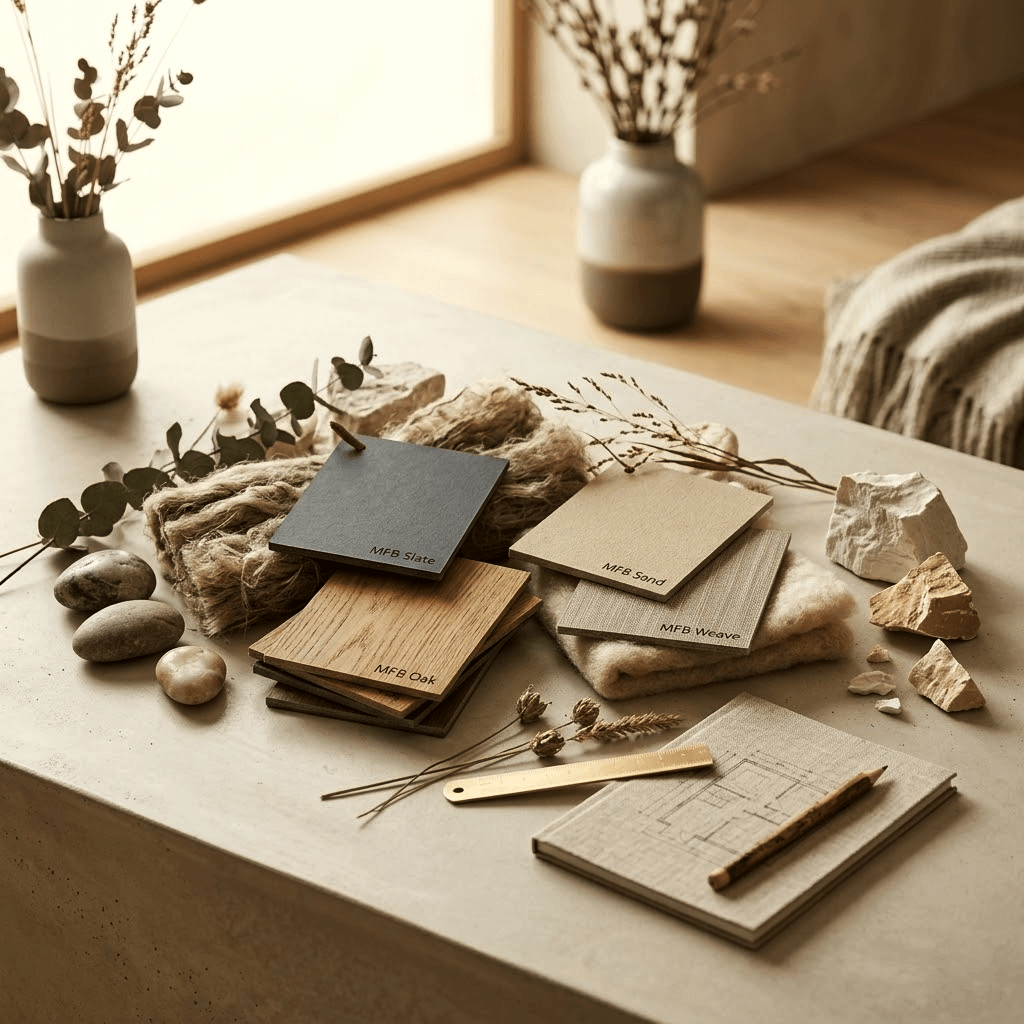
When evaluating Spotted Gum vs Blackbutt flooring side by side, the differences come down to aesthetics, hardness, and the type of interior they best complement.
In terms of visual character, Spotted Gum is the more dramatic and varied of the two. If you appreciate a floor that draws attention and adds visual depth to a room, Spotted Gum is likely the better fit. Blackbutt, by contrast, recedes quietly into the background and allows other design elements to take centre stage. Neither approach is superior; the right choice depends entirely on the look you are trying to achieve.
From a hardness perspective, Spotted Gum has the edge at 11 kilonewtons compared to Blackbutt’s 9.1 kilonewtons. For households with very active dogs or significant foot traffic, this difference may be relevant. However, both species are hard enough to perform well in many residential environments without noticeable wear over a normal lifespan.
When it comes to Spotted Gum vs Blackbutt flooring in terms of maintenance, both species respond well to regular sweeping and occasional damp mopping. Both can be sanded and refinished multiple times, which extends their lifespan considerably and allows you to refresh the surface if it becomes scratched or worn over time.
Hardwood Species Comparison: Key Factors to Weigh
A thorough hardwood species comparison should go beyond the timber itself and consider installation, finishing, and long-term care.
Installation Considerations
Both Spotted Gum and Blackbutt can be installed using nailing, gluing, or floating methods depending on the subfloor type and the specific product. Engineered versions of both species offer more installation flexibility and can be suitable for use over in-slab heating or on concrete subfloors with moisture concerns.
Sustainability
Both Spotted Gum and Blackbutt are available from sustainably managed Australian forests and can be certified under relevant environmental standards. Choosing certified timber from responsible australian hardwoods suppliers ensures the product has been harvested with appropriate environmental oversight.
Hardwood Flooring and Long-Term Value
Hardwood flooring, regardless of species, represents a long-term investment in your property. Quality hardwood flooring installed correctly and maintained properly can last the lifetime of a building. It adds genuine value to a property at the point of sale and contributes to the overall quality and comfort of the living environment throughout its use.
When comparing hardwood flooring options, it is worth considering not just the upfront cost but the cost per year of use over the floor’s full lifespan. A hardwood floor that lasts 50 or more years with periodic refinishing represents considerably better value than a cheaper product replaced every 10 to 15 years.
Both Spotted Gum and Blackbutt sit within the premium end of the hardwood flooring market, and both justify that positioning through their performance, longevity, and aesthetic contribution to a well-designed home.
Which Species Should You Choose
The answer to Spotted Gum vs Blackbutt flooring ultimately depends on your design preferences and practical priorities.
Choose Spotted Gum if you want a floor with strong visual character, a darker and more varied colour palette, and the highest possible hardness for demanding environments. A Spotted Gum floor works particularly well in traditional, coastal, and natural interior styles where the organic quality of the timber is a deliberate design choice.
If you’re still unsure which option is best for your home, our team is here to help. We can guide you through samples, explain performance differences, and recommend the ideal flooring based on your space and lifestyle. Contact us today to speak with a flooring expert or request a free consultation we’ll help you make the right choice with confidence.
Frequently Asked Questions
Q1. Is Spotted Gum harder than Blackbutt?
Yes. Spotted Gum has a Janka rating of around 11 kN versus Blackbutt at 9.1 kN, making it slightly harder and more scratch-resistant under heavy daily use.
Q2. Can both species be sanded and refinished?
Yes, both Spotted Gum and Blackbutt can be sanded and refinished multiple times, extending their lifespan and allowing surface restoration when needed over the years.
Q3. Which species suits a modern interior better?
Blackbutt suits modern interiors well due to its lighter, more uniform tones. Its pale colour palette complements minimalist and contemporary design schemes without overpowering the space.
Q4. Are these species environmentally sustainable?
Both are available from sustainably managed Australian forests. Choosing certified suppliers ensures responsible harvesting with proper environmental oversight and compliance standards.
Q5. Which hardwood flooring is easier to maintain?
Both species require similar care. Regular sweeping and occasional damp mopping keep either floor in good condition.